BPC-157 for Tendon Healing: A Deep Dive into Research Applications
BPC-157, a synthetic peptide derived from human gastric juice protein, has garnered significant attention in the research community for its remarkable regenerative properties. Specifically, its potential applications in tendon healing and repair are a focal point of numerous preclinical studies. This compound demonstrates a unique capacity to influence various biological pathways crucial for tissue regeneration, making it a compelling subject for advanced laboratory investigations into recovery from soft tissue injuries.
The Unique Mechanisms of BPC-157 in Tendon Repair
The efficacy of BPC-157 in promoting tendon healing stems from its multifaceted biological activities. At its core, BPC-157 is observed to enhance the natural healing cascade by influencing several critical cellular processes. One primary mechanism involves its role in angiogenesis, the formation of new blood vessels. Tendons, by nature, possess a relatively poor blood supply, which often contributes to their slow healing rates. Research indicates that BPC-157 can significantly upregulate growth factors such as vascular endothelial growth factor (VEGF), which are pivotal in stimulating new vessel formation. This improved vascularization delivers essential nutrients and oxygen to the injured site, accelerating the repair process.
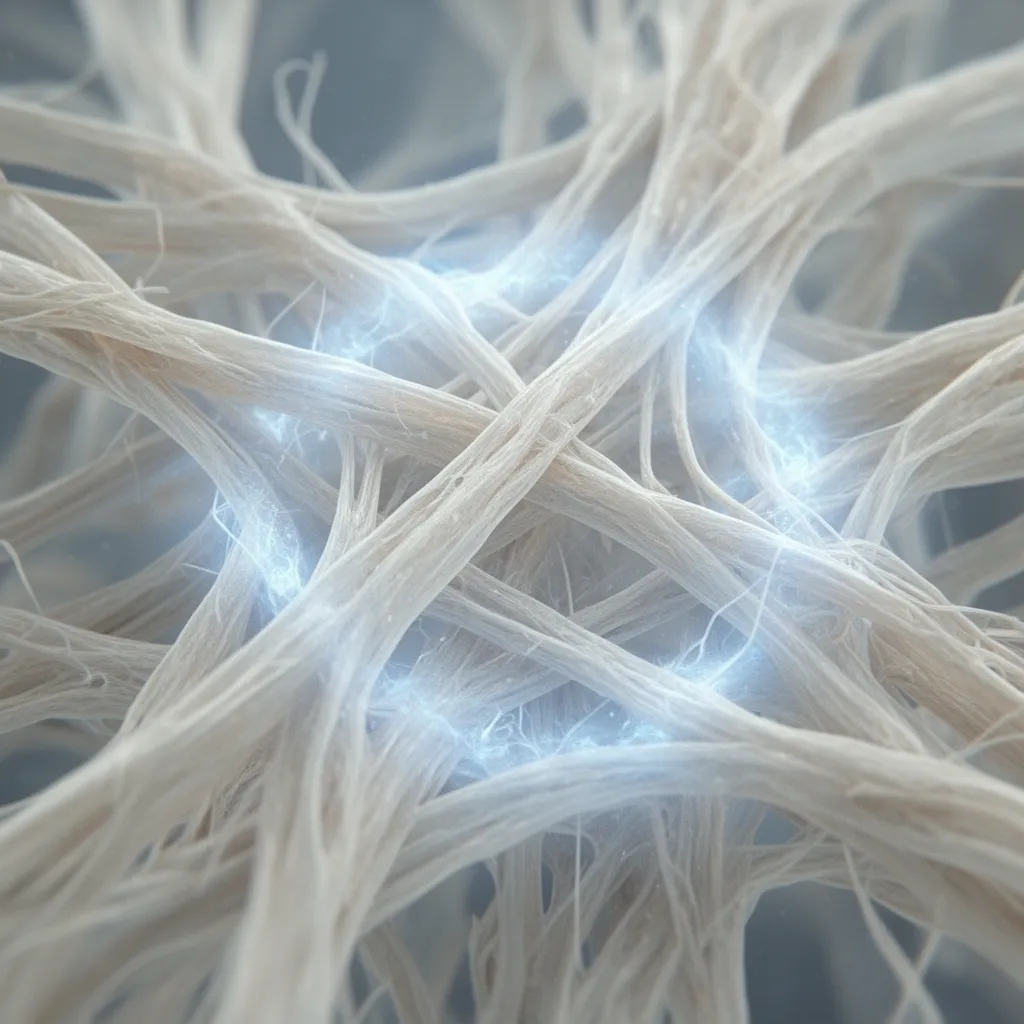
Beyond angiogenesis, BPC-157 also plays a crucial part in modulating collagen synthesis and organization. Collagen is the primary structural protein of tendons, providing strength and elasticity. Studies show that BPC-157 can promote the proliferation and migration of fibroblasts, the cells responsible for producing collagen. Furthermore, it appears to influence the quality and alignment of newly synthesized collagen fibers, which is vital for restoring the mechanical integrity of the tendon. Disorganized collagen often leads to weaker scar tissue, but BPC-157’s influence suggests a more structured and functional tissue repair. This extends to its impact on the extracellular matrix (ECM), the non-cellular component of tissues that provides structural and biochemical support. BPC-157 helps to remodel the ECM, creating an environment more conducive to robust and efficient healing. This comprehensive approach to tissue repair, addressing both vascular supply and structural component integrity, positions BPC-157 as a peptide with broad regenerative potential in tendon research.
Further investigations highlight BPC-157’s anti-inflammatory and cytoprotective effects. Chronic inflammation can impede healing, leading to further tissue damage and fibrosis. BPC-157 has been shown to mitigate inflammatory responses, reducing oxidative stress and protecting cells from damage. This cytoprotective action is particularly beneficial in the initial stages of tendon injury, where cellular damage and inflammation are pronounced. By creating a more stable cellular environment, BPC-157 allows the intrinsic repair mechanisms to function more effectively. Its ability to modulate nitric oxide (NO) systems also contributes to its therapeutic profile, influencing blood flow and cellular signaling pathways essential for repair. The peptide’s observed capacity to accelerate the healing of various tissue types, including muscle, bone, and skin, further underscores its broad regenerative influence, making it a valuable tool for researchers exploring complex tissue repair mechanisms.
Research Protocols and Administration of BPC-157
In a laboratory setting, the administration of BPC-157 for tendon healing research typically involves careful consideration of reconstitution, dosage, and delivery methods. BPC-157 is commonly supplied as a lyophilized powder, requiring reconstitution with a sterile solvent, most often bacteriostatic water. Precision in this step is paramount to ensure accurate dosing for experimental models. Researchers dilute the peptide to a specific concentration, allowing for precise measurements during administration. The stability of the reconstituted solution is also a factor, with refrigeration generally recommended to maintain peptide integrity over the duration of a study.
Common routes of administration in research include subcutaneous (SC) or local injection directly into or near the injured tendon. Subcutaneous administration allows for systemic distribution, potentially benefiting broader tissue repair, while local injection targets the peptide directly to the site of injury, maximizing its concentration where it is most needed. The choice of administration route often depends on the specific research question and the model being utilized. Dosages vary widely across studies and species, underscoring the need for careful experimental design and pilot studies to determine optimal parameters for specific research objectives. Factors such as the severity and type of tendon injury, the animal model’s size, and the desired duration of action all influence the protocol. Researchers must adhere to strict sterile techniques during reconstitution and administration to prevent contamination and ensure the validity of their experimental results.
Furthermore, timing of administration relative to injury onset is another critical aspect. Some studies explore immediate post-injury application, while others investigate delayed administration to mimic chronic injury scenarios. The frequency of dosing also differs, with daily or alternate-day injections being common. Long-term studies might explore the effects of prolonged administration on tendon remodeling and strength. The careful documentation of all experimental parameters, including peptide source, purity, reconstitution methods, storage conditions, administration routes, dosages, and frequencies, is essential for reproducibility and the advancement of knowledge in the field. Understanding these detailed aspects of BPC-157 handling and administration is fundamental for any laboratory aiming to investigate its regenerative potential effectively.
Comparative Analysis: BPC-157 Versus Other Peptides for Tissue Regeneration
When investigating tissue regeneration, researchers often compare BPC-157 with other well-known peptides such as TB-500. While both peptides exhibit regenerative capabilities, their primary mechanisms and applications in a research context differ significantly. BPC-157, as discussed, is a synthetic gastric pentadecapeptide known for its broad cytoprotective and angiogenic effects, acting directly to stabilize cells, reduce inflammation, and promote the formation of new blood vessels. Its action often involves modulating growth factor expression and enhancing the natural healing processes at the injury site, making it particularly relevant for specific tissue repair like tendons and ligaments.
In contrast, TB-500, a synthetic version of thymosin beta-4, functions primarily through actin regulation. Actin is a protein crucial for cell structure and motility. By influencing actin dynamics, TB-500 promotes cell migration, differentiation, and the formation of new blood vessels, similar to BPC-157. However, its broader systemic effects on cellular migration and tissue remodeling distinguish it. TB-500 is often studied for widespread tissue repair, including muscle, skin, and even cardiac tissue, due to its ability to mobilize and activate various cell types involved in regeneration. The complementary nature of these two peptides is often explored in research, with some studies combining BPC-157 and TB-500 to potentially achieve synergistic effects, addressing both localized repair and broader cellular mobilization for complex injuries.
Other peptides also contribute to the regenerative research landscape. For instance, growth hormone-releasing peptides (GHRPs) like Ipamorelin or GHRP-6 indirectly support tissue healing by stimulating growth hormone release, which can enhance protein synthesis and cellular repair. However, their primary action is systemic and hormonal, rather than direct tissue-specific cytoprotection or localized angiogenesis like BPC-157. Similarly, peptides like GHK-Cu are studied for their roles in wound healing and skin regeneration, often through collagen synthesis and antioxidant effects, but they operate through different pathways than BPC-157’s more direct influence on tendon fibroblasts and vascularization. Understanding these distinctions is critical for researchers to select the most appropriate peptide or combination of peptides for their specific investigative objectives in tissue regeneration.
Key Considerations for BPC-157 Tendon Healing Studies
Conducting effective research on BPC-157 for tendon healing requires adherence to several key considerations, ensuring both the integrity of the study and the safety of handling the peptide. Foremost among these is the purity and quality of the BPC-157 peptide itself. Sourcing from reputable suppliers that provide comprehensive certificates of analysis (COAs) is non-negotiable. These documents confirm the peptide’s identity, purity level, and absence of contaminants, which directly impacts the reliability and reproducibility of experimental results. Impure or improperly synthesized peptides can introduce confounding variables, rendering research findings invalid.
Storage conditions are equally vital. BPC-157, typically supplied as a lyophilized powder, must be stored in a cool, dark, and dry environment, often at freezer temperatures, to maintain its stability and biological activity. Once reconstituted with bacteriostatic water, it becomes more susceptible to degradation and requires refrigeration. Proper handling techniques, including sterile practices during reconstitution and drawing, minimize the risk of bacterial contamination, which could compromise both the peptide and the research subjects. The use of appropriate laboratory equipment, such as sterile syringes and vials, is also essential to uphold experimental rigor and ensure accurate dosing.
Furthermore, researchers must approach BPC-157 studies with a clear understanding of ethical guidelines and regulatory compliance for research peptides. These compounds are strictly for laboratory and research use only and are not intended for human consumption, diagnosis, or medical treatment. Adherence to institutional review board (IRB) protocols and national regulations governing animal research is mandatory. Comprehensive documentation of every step, from peptide acquisition and storage to experimental design, administration, and outcome measurement, is crucial. This meticulous record-keeping not only supports scientific validity but also ensures accountability and transparency within the research community. Such careful planning and execution are fundamental to advancing our understanding of BPC-157’s potential in tendon healing.
All products offered by Aura Labs are intended for laboratory and research use only. They are not for human consumption, diagnosis, or medical treatment.
Frequently Asked Questions
What is BPC-157 and how does it relate to tendon healing?
BPC-157 is a synthetic peptide derived from a naturally occurring gastric protein. Research indicates it promotes tendon healing by enhancing angiogenesis, collagen synthesis, and reducing inflammation at injury sites.
How is BPC-157 typically administered in research studies for tendon repair?
In research settings, BPC-157 is usually reconstituted with bacteriostatic water and administered via subcutaneous injection or directly into the injured tendon. Dosage and frequency depend on the specific experimental protocol and model.
Are there other peptides that work synergistically with BPC-157 for tendon healing?
Yes, TB-500 is often studied alongside BPC-157. TB-500 promotes cell migration and differentiation, complementing BPC-157’s localized angiogenic and cytoprotective effects for a more comprehensive tissue repair approach.
What are the primary mechanisms by which BPC-157 supports tendon regeneration?
BPC-157 supports tendon regeneration by stimulating new blood vessel formation (angiogenesis), promoting fibroblast proliferation and organized collagen synthesis, and exhibiting potent anti-inflammatory and cytoprotective properties.
What precautions should researchers take when handling BPC-157 for studies?
Researchers must ensure BPC-157 purity, store the lyophilized powder properly, and use sterile techniques for reconstitution and administration. Adherence to research-only guidelines and ethical protocols is also essential.
Can BPC-157 be used for chronic tendon injuries in research?
Preclinical research explores BPC-157’s efficacy in both acute and chronic tendon injury models. Its regenerative and anti-inflammatory properties suggest potential benefits in addressing persistent tissue damage and promoting recovery over time.
Reporting context drawn from Genengnews.com; rewritten for Aura Labs readers.