
BPC-157 for Joint Pain: Exploring Regenerative Potential in Research
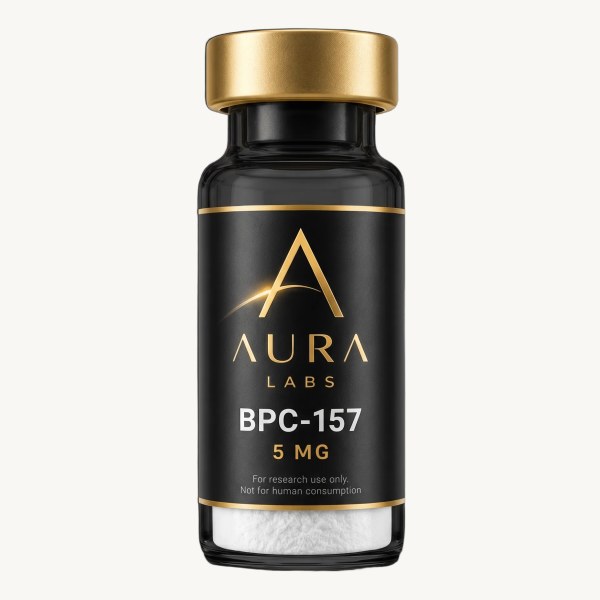
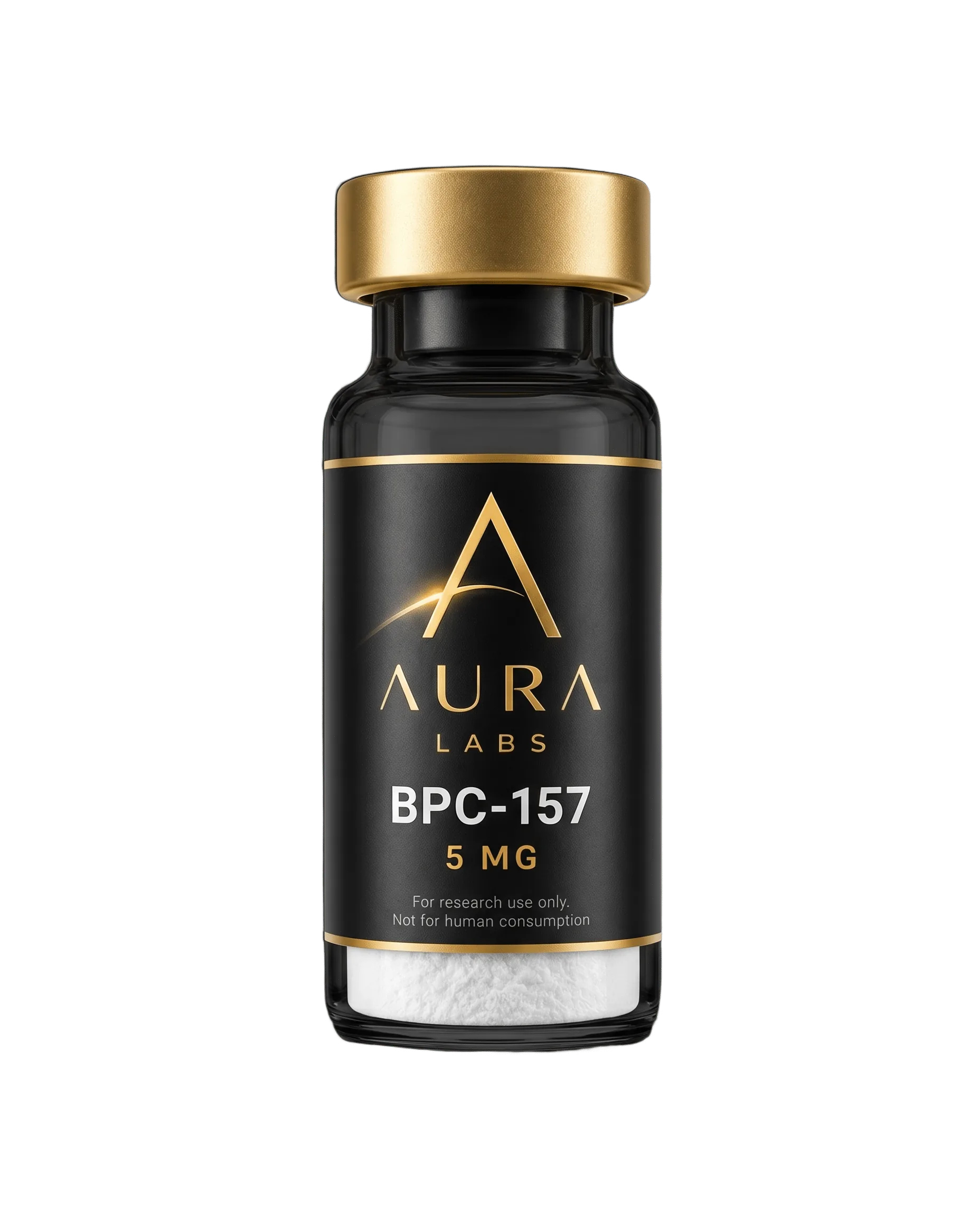
Research into BPC-157 for joint pain indicates its significant potential in promoting tissue regeneration and reducing inflammation, offering a compelling area of study for researchers focused on musculoskeletal health. This stable gastric pentadecapeptide, derived from human gastric juice, has shown a remarkable capacity in various preclinical models to accelerate healing processes across a spectrum of tissues, including tendons, ligaments, muscles, and bones, which are frequently implicated in joint discomfort and injury. Its unique mechanisms of action, involving angiogenesis, collagen synthesis, and anti-inflammatory effects, position BPC-157 as a highly promising compound for advanced regenerative research.
Unpacking BPC-157’s Multifaceted Regenerative Mechanisms
BPC-157 operates through a sophisticated array of mechanisms that collectively contribute to its profound reparative and protective effects observed in various research models. A pivotal aspect of its action involves the rapid induction of angiogenesis, the formation of new blood vessels. This enhanced vascularization is absolutely critical for the efficient delivery of oxygen, nutrients, and immune cells to damaged areas, thereby accelerating the body’s intrinsic healing cascade. Studies have consistently demonstrated BPC-157’s ability to upregulate key angiogenic growth factors, such as vascular endothelial growth factor (VEGF) and fibroblast growth factor (FGF-2), which are master regulators of this process. Beyond vascular repair, BPC-157 significantly influences the extracellular matrix (ECM) remodeling, particularly enhancing collagen synthesis and promoting the correct organization of collagen fibers. This is fundamental for rebuilding and strengthening the structural integrity of connective tissues that underpin joint stability and function. Furthermore, the peptide exhibits potent cytoprotective properties, safeguarding cells from various forms of stress and injury, and promoting cell survival. This includes its ability to stabilize cellular F-actin, a crucial component of the cytoskeleton, which is vital for cell integrity and migration. The comprehensive nature of these biological activities firmly positions BPC-157 as an invaluable research tool for understanding and potentially harnessing regenerative processes.
BPC-157 for Joint Pain: Targeted Research on Tendons, Ligaments, and Cartilage
The research application of BPC-157 for joint pain directly addresses the complex challenges of repairing and regenerating tendons, ligaments, and cartilage – structures frequently compromised in acute joint injuries, chronic overuse, and degenerative conditions like osteoarthritis. Numerous preclinical studies, particularly in animal models, have documented BPC-157’s remarkable capacity to significantly improve the healing rate and quality of damaged musculoskeletal tissues. This includes accelerated repair of notoriously slow-healing structures such as Achilles tendons, quadriceps tendons, and medial collateral ligaments, often resulting in faster functional recovery and restoration of mechanical strength. The peptide’s influence extends to cartilage, where research indicates its potential to protect chondrocytes (cartilage cells) from degradation and even stimulate cartilage regeneration in some experimental setups. This is a critical area, given the limited intrinsic regenerative capacity of articular cartilage. BPC-157’s anti-inflammatory properties further contribute to joint health by actively mitigating the inflammatory responses that typically accompany injury or chronic conditions. By modulating inflammatory cytokines and pathways like NF-κB, BPC-157 can reduce pain, swelling, and prevent secondary tissue damage. Its interaction with the nitric oxide (NO) system is also thought to play a significant role in its cytoprotective and healing effects within joint structures, contributing to improved blood flow and reduced oxidative stress. This targeted regenerative action makes BPC-157 a prime candidate for advanced research into joint tissue repair.
Beyond Joint Health: Broader Applications in Regenerative Research
While its compelling benefits for joint pain and connective tissue repair are a major focus, the research applications of BPC-157 extend far beyond the musculoskeletal system, reflecting its broad systemic regenerative and cytoprotective capabilities. Originating from gastric fluid, its potent cytoprotective properties were first identified in the gastrointestinal tract, where it has been extensively studied for its ability to heal damaged gut lining, reduce inflammation in models of inflammatory bowel disease, and protect against gastric ulcers, esophagitis, and fistulas. This “gut-healing” potential is of immense interest to researchers exploring gastrointestinal disorders. Furthermore, BPC-157 has shown considerable promise in neurological research. Investigations have explored its effects on recovery from various forms of brain injury, including traumatic brain injury and stroke models, as well as its capacity to facilitate peripheral nerve regeneration and repair following spinal cord injury. It appears to offer neuroprotective effects against certain toxins and conditions that induce neuronal damage. Its ability to modulate growth factors, promote vascularization, and exert anti-inflammatory effects also makes it a subject of interest in fields ranging from dermatological wound healing, accelerating skin graft integration and burn recovery, to ocular repair and even cardiovascular protection, where it has been studied for its potential to prevent and reverse damage in heart tissue. This wide spectrum of observed activity underscores BPC-157’s fundamental role in systemic regeneration, tissue homeostasis, and cellular protection, making it a versatile and powerful research peptide for a diverse range of biological studies.
Research Protocols and Synergistic Peptide Studies
For researchers investigating BPC-157, careful consideration of administration routes, reconstitution, and potential synergistic effects with other peptides is paramount. Depending on the specific target tissue and research objectives, various administration methods are employed. Local administration, such as direct injection into or around an injured joint, is often utilized for highly targeted musculoskeletal repair studies, aiming to achieve high concentrations of the peptide at the precise site of injury. Systemic administration, typically through subcutaneous injection or oral delivery, allows for broader distribution and investigation of its effects on gut health, the central nervous system, or multiple tissue types simultaneously. The remarkable stability of BPC-157 in gastric fluid makes it particularly intriguing for oral research applications, offering a non-invasive method for systemic delivery that maintains bioavailability. When preparing BPC-157 for research, proper reconstitution with bacteriostatic water is crucial to maintain its integrity, sterility, and efficacy. Accurate dosing and sterile technique are essential for reliable experimental outcomes. Beyond standalone studies, BPC-157 is frequently researched in conjunction with other peptides to explore synergistic effects. A classic pairing is with TB-500, a synthetic peptide based on Thymosin Beta-4, which is known for promoting cell migration, actin polymerization, and new blood vessel formation. This combination often forms a more comprehensive research protocol for complex tissue injuries, where BPC-157 provides foundational healing and anti-inflammatory benefits, while TB-500 enhances cellular mobility and broad tissue repair. Researchers should always adhere to strict laboratory protocols, ethical guidelines, and institutional review board requirements when designing and conducting studies involving this potent peptide, ensuring the validity and safety of their scientific endeavors.
Future Directions and Research Significance
The ongoing exploration of BPC-157 continues to uncover new facets of its biological activity and potential research applications. Its ability to influence various signaling pathways, including those related to growth factors, nitric oxide, and inflammatory mediators, positions it at the forefront of regenerative medicine research. Future studies may delve deeper into specific molecular targets, optimal dosing strategies for different tissue types, and its long-term effects on chronic degenerative conditions. The potential to harness BPC-157’s regenerative power for conditions ranging from severe joint degradation to complex organ damage offers a compelling avenue for scientific inquiry. As research progresses, a more comprehensive understanding of its full therapeutic spectrum will undoubtedly emerge, solidifying its role as a key peptide in biomedical science. Aura Labs is committed to supporting this vital research by providing high-purity BPC-157 for laboratory use, contributing to the advancement of regenerative science in Thailand and beyond.
Aura Labs products, including BPC-157, are supplied strictly for laboratory and research use only. They are not intended for human consumption or medical treatment.
Related Research from Aura Labs:
- BPC-157 Peptide: Research, Mechanisms, and How It Works
- KPV (Lysine-Proline-Valine): An Anti-Inflammatory Peptide Research Guide
Frequently Asked Questions About BPC-157 for Joint Pain Research
- What exactly is BPC-157 for joint pain research?
- BPC-157 for joint pain research investigates how this stable gastric pentadecapeptide can promote the healing of damaged joint tissues like tendons, ligaments, and cartilage, while also reducing inflammation and discomfort in preclinical models. Its unique regenerative capabilities are a primary focus for studies addressing musculoskeletal health.
- How does BPC-157 promote healing in joints?
- BPC-157 is understood to promote healing by stimulating angiogenesis (new blood vessel formation), enhancing collagen production and organization, and modulating various growth factors and inflammatory responses. These actions create an optimal cellular environment for tissue regeneration and repair in and around joint structures.
- Is BPC-157 only useful for joint injuries?
- No, BPC-157 has a broad spectrum of research applications beyond joint injuries. It is also studied for its cytoprotective effects in the gastrointestinal tract, its role in nervous system recovery and peripheral nerve regeneration, and its potential in accelerating wound healing across various tissues and organ systems.
- What are the typical research routes of administration for BPC-157?
- In research settings, BPC-157 can be administered locally (e.g., directly into an injured joint or tissue) for targeted effects or systemically (e.g., orally or via subcutaneous injection) to investigate broader physiological impacts. Its remarkable stability in gastric fluid makes oral administration a viable and non-invasive option for systemic research.
- Can BPC-157 research be combined with other peptides for joint health?
- Yes, BPC-157 is often researched in conjunction with other peptides, most notably TB-500, to explore synergistic effects on tissue regeneration and overall recovery. This combination aims to provide a more comprehensive approach to healing complex injuries by leveraging the complementary actions of both peptides.
- What is the source of BPC-157?
- BPC-157 is a synthetic peptide fragment derived from a larger protein found naturally in human gastric juice. Its origin from a protective gastric protein is thought to contribute to its robust cytoprotective and regenerative properties across various biological systems.
Reporting context drawn from Genengnews.com; rewritten for Aura Labs readers.