
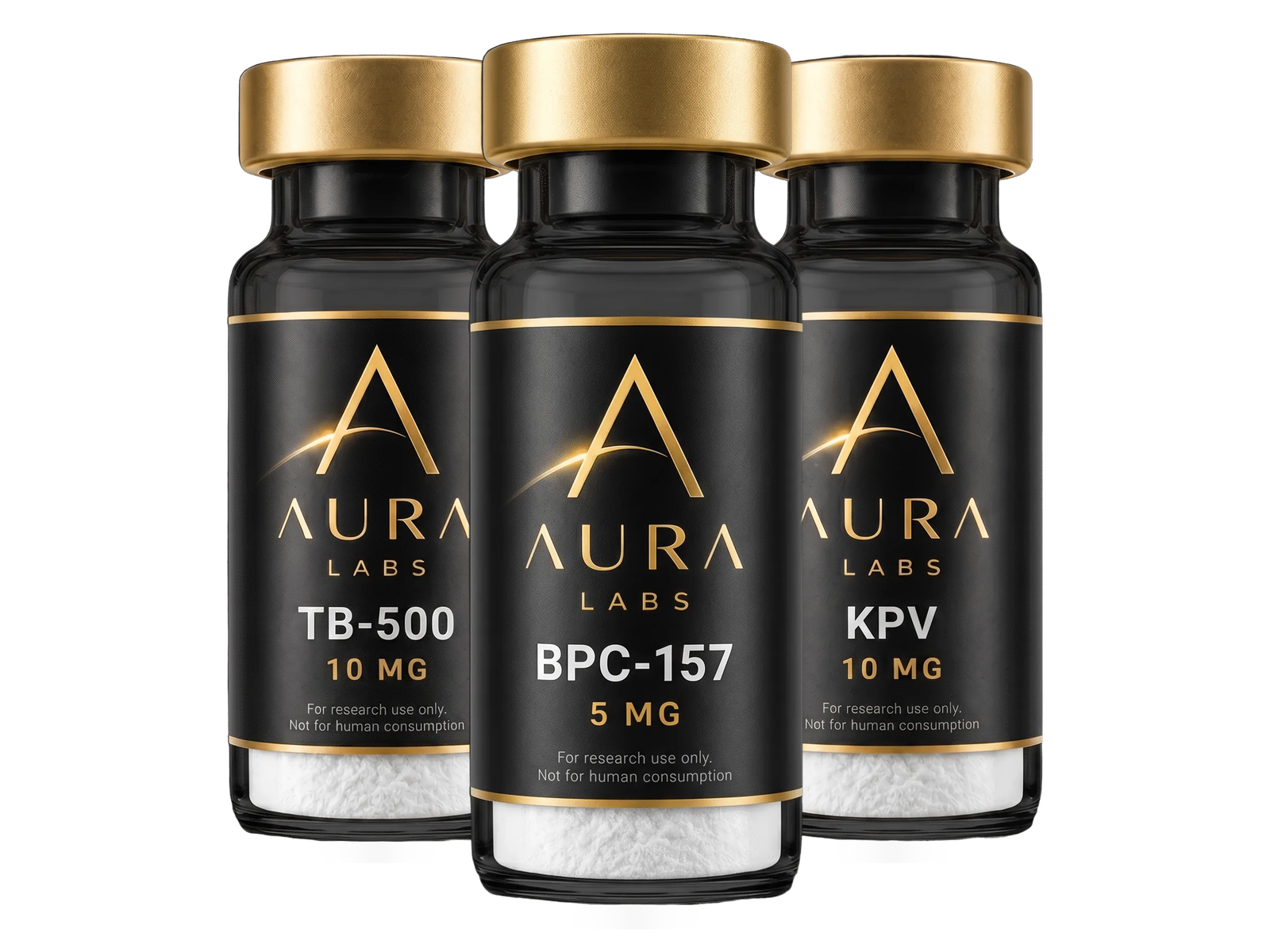
Recovery Stack — BPC-157 + TB-500 + KPV
Recovery & Repair
฿2,700 ฿3,600Price range: ฿2,700 through ฿3,600
Recovery kit in three sizes — Standard: BPC-157 5mg + TB-500 10mg + KPV 10mg.
Specifications
| Form | Dry powder |
|---|---|
| Purity | >99% (lab tested) |
| Typical dose | 250 mcg daily (reference) |
| Reconstitute | 2 mL bacteriostatic water |
| Application | Laboratory research use only |
| Lab certificate | View certificate of analysis |
Certificates of Analysis
Description
Recovery Stack — BPC-157 + TB-500 + KPV belongs to Recovery, Stacks and is presented as a tiered laboratory kit. Confirm component records through the selector rather than static copy.
Select the option above to view current availability, variation details, and the live price for Recovery Stack — BPC-157 + TB-500 + KPV.
Show full research details
healing peptides research overview
This page orients researchers to Recovery Stack — BPC-157 + TB-500 + KPV within Recovery. Use selector-driven records for variation-specific details rather than static copy alone.
Original catalog notes
The Recovery Stack is a three-peptide research kit available in Starter, Standard, and Advanced tiers — smallest catalog doses, middle of the ladder, and max doses respectively. Choose a kit size below. Each tier is ~20% off buying the component vials at regular price.
Kit sizes
- Starter: BPC-157 2mg · TB-500 5mg · KPV 5mg —
- Standard: BPC-157 5mg · TB-500 10mg · KPV 10mg —
- Advanced: BPC-157 10mg · TB-500 10mg · KPV 10mg —
What's included (Standard)
- BPC-157 5mg
- TB-500 10mg
- KPV 10mg
All vials are dry powder, >99% purity, lab-tested with a COA per batch. For laboratory and research use only.
Catalog tiers and selection
Researchers comparing kits in Recovery, Stacks should treat this selector as authoritative for tier-specific documentation. Browse related materials in Recovery when single-compound records are required.
Documentation expectations
Where certificates are available, review them after choosing the relevant option. Maintain chain-of-custody notes that reference catalog IDs and lot details.
Study planning considerations
Design experiments so observations remain tied to selector-confirmed options. Treat descriptive text as orientation only.
External research references
Indexed publications may mention related research topics. Start with a PubMed literature search for healing peptides for background review. These references are not clinical recommendations.
Storage and research-only scope
Store materials under conditions consistent with label and certificate guidance. Qualified personnel remain responsible for experimental design.
For laboratory and research use only. Catalog copy does not establish safety, efficacy, or suitability for personal use.
Catalog records for healing peptides should remain tied to the selected variation, certificate links, and internal sample identifiers throughout the study timeline.
If a displayed document does not match the selected catalog option, pause the workflow and resolve the discrepancy before opening or preparing the material.
Storage conditions should be monitored according to the label and the laboratory's approved procedures, with deviations recorded in the sample history.
Independent literature can inform study design, but it does not verify the identity of a catalog item; that determination belongs to appropriate analytical testing.
Researchers should distinguish supplier documentation from their own findings and retain both records without presenting one as a substitute for the other.
Dispose of unused material and consumables under the laboratory's applicable procedures rather than relying on general product-page guidance.
Before any analytical run involving Recovery Stack — BPC-157 + TB-500 + KPV, cross-check certificates, internal sample logs, and preparation checklists maintained by the laboratory.
Research teams in Recovery often archive selector screenshots and COA URLs alongside physical samples for audit trails.
When comparing related listings, prioritize identity confirmation and chain-of-custody notes over descriptive marketing language.
Laboratories should confirm that catalog records, environmental conditions, and instrument readouts remain linked to the same internal sample identifier through storage, preparation, and analysis.
Receipt identifiers, selector screenshots, and certificate URLs provide a practical audit trail when multiple catalog items from Recovery are handled in parallel.
Record the date each container is received, inspected, and entered into inventory so later analytical reports can be reconciled with the correct material.
Any variation selected for a study should be documented before preparation begins; changing the selector later does not amend laboratory records already created.
Use calibrated equipment and validated methods appropriate to the planned analysis. Catalog descriptions do not replace method qualification or internal quality controls.
Catalog records for healing peptides should remain tied to the selected option and the laboratory's internal sample identifier throughout the study.
Catalog records for healing peptides should remain tied to the selected option and the laboratory's internal sample identifier throughout the study.
Catalog records for healing peptides should remain tied to the selected option and the laboratory's internal sample identifier throughout the study.
Peptides commonly stacked with Recovery Stack — BPC-157 + TB-500 + KPV
View all peptides →-
Sale!
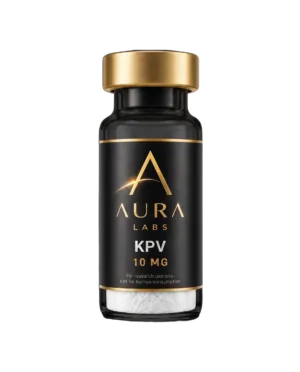
KPV
Calmer gut and lower inflammatory noise — the peptide pick when stomach comfort and recovery go together.
฿650 ฿1,300Price range: ฿650 through ฿1,300Select options This product has multiple variants. The options may be chosen on the product page -
Sale!
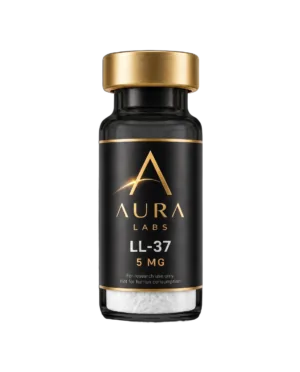
LL-37 5mg
Stronger immune-defense and cleaner tissue recovery signals — when infection resilience is part of the research goal.
Original price was: ฿1,150.฿800Current price is: ฿800. 30% OFF -
Sale!
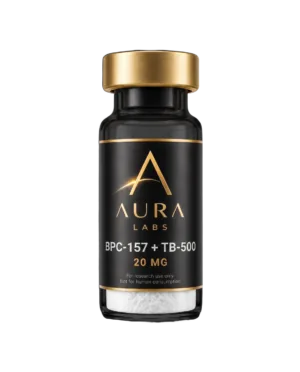
BPC-157 + TB-500 Blend
One-vial recovery stack for tissue repair — BPC plus TB when healing and mobility need both angles at once.
฿1,150 ฿1,600Price range: ฿1,150 through ฿1,600Select options This product has multiple variants. The options may be chosen on the product page -
Sale!
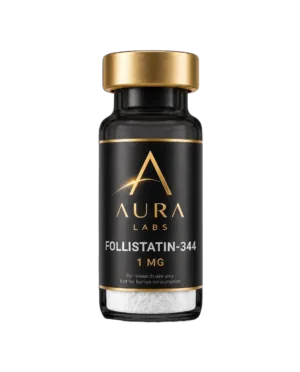
Follistatin-344 1mg
Leaner muscle gain by dialing down myostatin brakes — when adding mass with less waste tissue is the target.
Original price was: ฿2,100.฿1,600Current price is: ฿1,600. 24% OFF