NAD+ (Nicotinamide Adenine Dinucleotide): A Cellular-Energy Research Guide
What is NAD+?
NAD+ (nicotinamide adenine dinucleotide) is a coenzyme present in every living cell, where it acts as a central carrier of electrons in the reactions that generate cellular energy. It exists in two interconverting forms — the oxidised NAD+ and the reduced NADH — and the ratio between them is a key signal of a cell’s metabolic state. Beyond its role in energy metabolism, NAD+ is a required substrate for several families of enzymes involved in DNA repair and cellular signalling, which is why it is studied so widely in metabolic and ageing research.
Studied mechanisms of action
In research models, NAD+ is investigated for its role as a cofactor in the oxidation reactions of glycolysis, the citric-acid cycle and oxidative phosphorylation — the pathways that produce ATP. It is also consumed as a substrate by sirtuins, a family of enzymes linked to the regulation of metabolism and cellular stress responses, and by PARP enzymes involved in DNA-damage repair. Because cellular NAD+ levels are reported to decline in many models of ageing and metabolic stress, much research focuses on whether restoring NAD+ availability can preserve mitochondrial function and the activity of these NAD+-dependent enzymes.
The state of the research
NAD+ and its precursors have a large and active preclinical literature spanning metabolism, mitochondrial function and age-related decline, and several precursor molecules have advanced into clinical study. Direct work with NAD+ itself raises questions of cellular uptake, stability and how administered NAD+ relates to the intracellular pool, which remain areas of active investigation. Within the research-compound community it is frequently studied alongside compounds such as SS-31 and MOTS-c in broader metabolic and longevity work. Results are model-dependent and remain preclinical.
Handling & storage for research
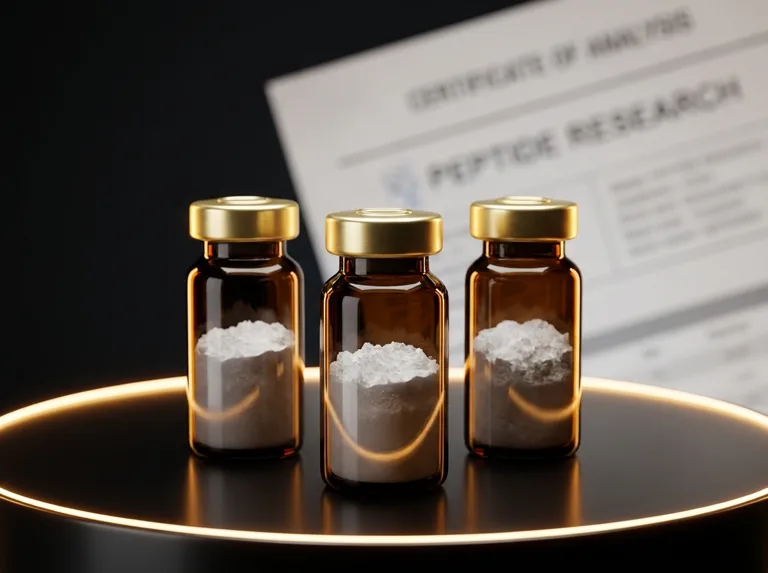
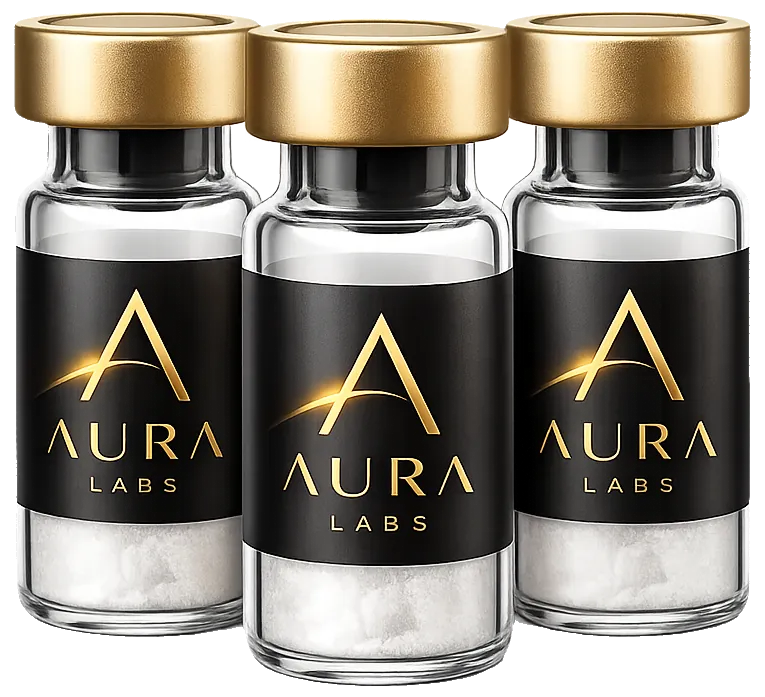
Supplied as a lyophilised powder. Store sealed vials cold and protected from light; reconstitute with bacteriostatic water for laboratory handling and keep the reconstituted solution refrigerated, using it within the appropriate window. NAD+ is sensitive to heat and light, so minimise exposure and avoid repeated freeze-thaw cycles. Every Aura Labs batch ships with a third-party certificate of analysis confirming identity and purity above 99%.
Why researchers choose Aura Labs
Aura Labs supplies research peptides and compounds across Southeast Asia with third-party testing on every batch, a certificate of analysis available for each lot, and discreet, fast regional dispatch. Purity, accurate labelling and reproducible quality are the priorities researchers rely on for consistent results.
Disclaimer
This material is provided for laboratory and research use only. It is not a drug, supplement, cosmetic or food, and is not intended for human or animal consumption or for any diagnostic or therapeutic use. All information here is for educational purposes and describes preclinical research only.