
Melanotan II: Research Insights into Pigmentation and Beyond
Melanotan II is a synthetic peptide analogue of the naturally occurring alpha-melanocyte-stimulating hormone (α-MSH). In the realm of peptide research, it has garnered significant attention due to its multifaceted interactions with the melanocortin receptors (MCRs) found throughout the body. Primarily, research investigates its role in stimulating melanogenesis, the process responsible for skin pigmentation, leading to its common association with tanning studies. Beyond its cosmetic research applications, scientists are also exploring its influence on other physiological systems, including appetite regulation and sexual function, through its broader engagement with various melanocortin receptor subtypes. This peptide’s unique pharmacological profile makes it a compelling subject for advanced scientific inquiry, offering insights into complex neuroendocrine pathways. Understanding the precise mechanisms by which Melanotan II exerts its effects is crucial for designing robust experimental protocols and interpreting findings accurately within a controlled laboratory environment. This guide provides a detailed overview for researchers focusing on this intriguing peptide.
Mechanism of Action of Melanotan II
Melanotan II operates by acting as an agonist at multiple melanocortin receptors (MCRs), specifically MC1, MC3, MC4, and MC5 receptors. The most prominent effect observed in research studies, particularly concerning pigmentation, is its potent activation of the MC1R. Activation of the MC1R on melanocytes, specialized skin cells, triggers a cascade of intracellular events that culminate in increased production of eumelanin. Eumelanin is a dark pigment that provides photoprotection against ultraviolet radiation, and its synthesis is a key focus for researchers studying skin response to various stimuli. The peptide’s interaction with MC1R is more robust and sustained compared to the endogenous α-MSH, which explains the pronounced melanogenic effects seen in experimental models.
However, the influence of Melanotan II extends beyond the MC1R. Its agonistic activity at the MC3R and MC4R, located predominantly in the central nervous system, is believed to mediate its observed effects on appetite suppression and sexual function. Activation of MC4R, for instance, has been implicated in pathways related to satiety and energy homeostasis. Similarly, the exact role of MC3R activation is still being elucidated but is thought to contribute to metabolic regulation. The broad-spectrum agonism across these receptor subtypes means that studies involving Melanotan II must carefully consider these diverse physiological interactions. Researchers must design experiments to isolate specific receptor-mediated effects or acknowledge the potential for pleiotropic outcomes when interpreting results. This intricate receptor binding profile underscores the complexity of melanocortin system pharmacology and the need for rigorous scientific inquiry. Further investigation into the precise downstream signaling pathways initiated by each receptor interaction is an ongoing area of peptide research.
Research Applications Beyond Pigmentation
While skin pigmentation remains a primary area of investigation for Melanotan II, its engagement with multiple melanocortin receptors has opened avenues for diverse research applications. Studies have explored its potential impact on metabolic parameters. For instance, the activation of MC4R in the hypothalamus plays a role in regulating energy balance. Researchers have examined whether modulating this receptor with Melanotan II influences food intake and body weight in various animal models. Findings from these preclinical studies suggest a complex interplay between melanocortin signaling, metabolism, and adiposity. Detailed investigations often involve measuring parameters such as glucose tolerance, insulin sensitivity, and lipid profiles to gain a comprehensive understanding of its metabolic footprint. The nuances of dosage and administration routes are critical variables in these experimental designs, as they can significantly alter the observed physiological responses.
Another significant area of research focuses on the peptide’s effects on sexual function. The central melanocortin system, particularly through MC3R and MC4R, is known to modulate sexual arousal and response. Melanotan II has been studied for its potential to induce erections in male animal models and to enhance sexual receptivity in female animal models. These studies often involve behavioral assays and neurochemical analyses to pinpoint the specific neural circuits and neurotransmitters involved. The observed effects are distinct from those of phosphodiesterase-5 inhibitors, which act on peripheral vascular mechanisms, suggesting a central nervous system-mediated action for Melanotan II. Understanding these pathways could inform future research into novel approaches for addressing conditions related to sexual dysfunction. The complex nature of these central nervous system interactions necessitates careful control groups and robust statistical analysis in any research endeavor.
Laboratory Handling and Purity Considerations
Effective research with Melanotan II, like all peptides, requires meticulous attention to laboratory handling and purity. The peptide is typically supplied as a lyophilized powder, which necessitates reconstitution with a suitable sterile solvent, most commonly bacteriostatic water. Precise reconstitution is paramount to ensure accurate dosing in experimental protocols. Researchers must calculate the exact volume of solvent required to achieve the desired concentration, often using specialized calculators or protocols to minimize error. Improper reconstitution can lead to inaccurate study results and compromise the integrity of the research. Once reconstituted, Melanotan II solutions should be stored under refrigerated conditions, typically between 2-8 degrees Celsius, to maintain peptide stability and bioactivity over the short to medium term. Prolonged storage often benefits from freezing in aliquots to prevent degradation cycles.
Purity is another critical factor. Reputable suppliers, such as Aura Labs, provide Melanotan II with a high purity level, usually exceeding 99%, accompanied by a certificate of analysis (CoA). This documentation is essential for verifying the identity and purity of the batch, confirming the absence of significant impurities that could confound experimental outcomes. Researchers should always review the CoA to ensure that the peptide meets the stringent quality standards required for their studies. Contaminants, even in small amounts, can introduce variability and lead to unreliable data. Furthermore, the handling environment itself must be sterile to prevent microbial contamination, which could degrade the peptide or introduce unwanted variables into cell cultures or animal models. Adherence to strict aseptic techniques during preparation and administration is non-negotiable for producing credible scientific data. Beyond initial reconstitution and storage, researchers should also consider the potential for aggregation or adsorption of the peptide to surfaces over time, especially with very dilute solutions. Implementing methods to mitigate these issues, such as using low-binding vials or adding small amounts of a carrier protein, can help preserve the integrity of the experimental material throughout a study’s duration. These practical steps contribute significantly to the reproducibility and reliability of research involving Melanotan II.
Comparative Analysis with Melanotan I
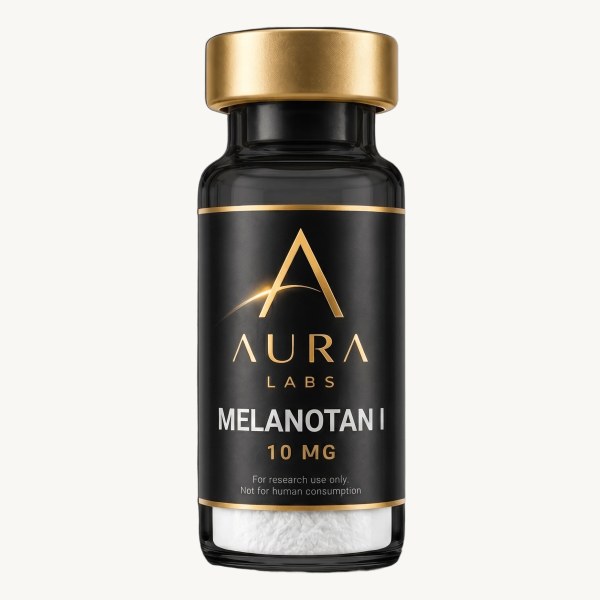
Melanotan II is often discussed in conjunction with Melanotan I (Afamelanotide), another synthetic melanocortin peptide. While both peptides are analogues of α-MSH and interact with melanocortin receptors, their receptor binding profiles and physiological effects differ significantly, making them suitable for distinct research objectives. Melanotan I is considered a more selective agonist for the MC1R, meaning its primary action is concentrated on stimulating melanogenesis and providing photoprotection. Studies with Melanotan I typically focus almost exclusively on skin pigmentation and the prevention of UV-induced damage, often with fewer systemic side effects compared to its counterpart. Its selectivity makes it a valuable tool for isolating the effects mediated purely through the MC1R pathway in dermatological or photobiology research.
In contrast, Melanotan II exhibits broader agonistic activity across multiple melanocortin receptors, including MC1R, MC3R, and MC4R. This broader binding profile accounts for its diverse research applications, encompassing not only pigmentation but also appetite regulation and sexual function. The non-selective nature of Melanotan II means that researchers using it for pigmentation studies must also account for its potential influence on these other systems, which can be either a desired research outcome or a confounding factor. For example, a study investigating tanning might observe concurrent changes in feeding behavior, necessitating careful experimental design and interpretation. Therefore, the choice between Melanotan I and Melanotan II for a research project hinges on the specific physiological pathways under investigation and the desired level of receptor specificity. Aura Labs offers a comprehensive Melanotan II research guide and Melanotan I research guide to help researchers distinguish between their applications.
Aura Labs products, including Melanotan II, are strictly for laboratory and research use only. These materials are not intended for human consumption, diagnosis, or medical treatment.
Frequently Asked Questions
What is Melanotan II?
Melanotan II is a synthetic peptide that mimics the natural melanocortin hormone, primarily studied for its effects on skin pigmentation and other physiological processes.
How does Melanotan II work in research models?
In research models, Melanotan II acts on various melanocortin receptors (MC1, MC3, MC4, MC5), stimulating melanin production for pigmentation and influencing pathways related to appetite and sexual function.
What are the primary research applications of Melanotan II?
The main research applications for Melanotan II include studies on skin pigmentation, photoprotection, appetite regulation, and sexual function, owing to its broad receptor agonism.
How should Melanotan II be stored and handled in a laboratory?
Melanotan II is typically stored as a lyophilized powder and reconstituted with bacteriostatic water. Reconstituted solutions should be refrigerated (2-8°C) or frozen in aliquots for long-term stability.
What is the difference between Melanotan II and Melanotan I?
Melanotan II is a less selective melanocortin agonist with broader effects on pigmentation, appetite, and libido, whereas Melanotan I is more selective for MC1R, primarily affecting pigmentation.
Reporting context drawn from Genengnews.com; rewritten for Aura Labs readers.